Bridging Learning and Evaluation: Using OKRs to Empower Students in Collaborative and Individual Learning

In recent years, educational innovation has been inspired by practices designed initially for industry, from Agile to the most recent InnerSource. Educators are increasingly reimagining how students can learn through collaboration, iteration, and transparency. However, as universities experiment with such open, collaborative models, the question of how to fairly evaluate both individual and collective contributions becomes more complex.

One powerful yet underexplored approach to evaluation in higher education is the adoption of OKRs (Objectives and Key Results), a goal-setting and performance framework widely used in industry to align teams, measure progress, and drive accountability. When thoughtfully adapted to academia, OKRs can complement methods and practices like Agile and InnerSource, enabling student-centred, transparent, and continuous evaluation across disciplines.

Why OKRs Make Sense in Education

OKRs encourage alignment between individual goals, team objectives, and institutional learning outcomes. In a traditional educational model, evaluation is often backwards-looking — grades reflect outcomes rather than growth. OKRs, in contrast, are forward-looking and iterative, focusing on measurable progress and learning impact.

Incorporating OKRs into university courses, particularly those leveraging InnerSource practices or project-based learning, offers several key advantages:

  1. Clarity and Purpose.
  2. OKRs help students understand why they are doing something, not just what they are doing. This builds intrinsic motivation and a sense of ownership over learning outcomes.
  3. Continuous Feedback Loop.
  4. Like Agile sprints or InnerSource peer reviews, OKRs emphasise iteration. Regular check-ins (e.g., every 2–3 weeks) enable professors and teams to realign objectives and assess progress dynamically rather than relying on static midterms or finals.
  5. Balance Between Autonomy and Accountability.
  6. Students define their own objectives within the scope of the course’s goals. Professors act as mentors, guiding the alignment between personal learning trajectories and team deliverables. This balance promotes self-management and collaboration — two critical professional competencies.
  7. Measurable Soft Skills Development.
  8. Traditional grading struggles to capture growth in communication, teamwork, or leadership. OKRs, especially when integrated into InnerSource-style collaborative environments, make these “soft” skills visible and measurable through concrete key results (e.g., “Lead two peer review sessions and provide feedback on at least three pull requests”).

Implementing OKRs in Academic Contexts

1. Individual OKRs: Driving Personal Growth

Each student defines personal learning objectives aligned with the course’s overall goals. For instance, in a Software Engineering course using InnerSource repositories:

  • Objective: Improve collaborative coding and code review skills.
  • Key Results:
    • Submit at least three pull requests reviewed and approved by peers.
    • Lead one peer review discussion with constructive feedback.
    • Resolve at least two issues raised by teammates.

These key results can be automatically tracked through version control analytics or peer-review metrics, creating transparent, data-driven evidence of contribution.

2. Team or Group OKRs: Structuring Collaborative Work

In disciplines involving projects (Engineering, Design, Business, etc.), teams can define shared OKRs that reflect both product outcomes and process maturity.

  • Objective: Deliver a functional prototype that meets stakeholder requirements.
  • Key Results:
    • Complete all core features by Sprint 4.
    • Conduct usability testing with at least 10 participants.
    • Document and present results to the class and external mentors.

Here, the emphasis shifts from individual grading to collective accountability, mirroring professional project environments. Each team’s OKRs can be reviewed in structured checkpoints, ensuring transparency and consistent evaluation standards.

3. Cross-Disciplinary OKRs: Enabling Interconnected Learning

Just as InnerSource envisions a unified educational “mega-project,” OKRs can operate at higher levels linking objectives across multiple courses or faculties. For instance, a capstone project combining Computer Science, Business, and Design could establish overarching OKRs that align individual contributions with interdisciplinary outcomes.

  • Objective: Create a market-ready digital product prototype integrating technical, business, and design perspectives.
  • Key Results:
    • Deploy a functional MVP using InnerSource collaboration.
    • Develop a viable business model validated through market testing.
    • Present interdisciplinary findings at the university’s innovation fair.

Such alignment fosters systems thinking and helps students appreciate how diverse disciplines contribute to holistic innovation.

Evaluating Students with OKRs

Evaluation using OKRs shifts from grading what students deliver to assessing how they progress toward meaningful objectives. The approach combines quantitative and qualitative metrics:

  • Quantitative:
    • Repository activity (commits, reviews, issues resolved).
    • Objective completion rates.
    • Peer review participation.
  • Qualitative:
    • Reflection reports discussing learning outcomes.
    • Peer and mentor feedback on collaboration and leadership.
    • Demonstrated alignment with course-level goals.
    • We can evaluate communication, collaboration, teamwork, and organisational skills.

Professors can evaluate students in three complementary dimensions:

  1. Individual learning growth (via personal OKRs).
  2. Team performance and contribution (via group OKRs).
  3. Interdisciplinary integration (for cross-course projects).

This approach enables a 360-degree evaluation system—one that values both autonomy and collaboration, as well as process and outcomes.

Challenges and Considerations

Adapting OKRs for education comes with challenges similar to implementing InnerSource:

  • Training and Calibration: Students and professors need orientation on setting realistic, measurable OKRs.
  • Consistency: Overly vague or ambitious OKRs may lead to frustration or uneven evaluation.
  • Tooling: Integrating OKR tracking with existing platforms (LMS, GitHub, or Project Management tools) ensures data consistency.
  • Equity: Clear guidelines are needed to balance recognition of individual effort within team outcomes.

However, these challenges can be mitigated through structured onboarding, template OKRs, and regular coaching sessions, which echo the phased approach already proven effective in InnerSource adoption.

The Synergy Between InnerSource and OKRs

While InnerSource provides the collaborative infrastructure, OKRs provide the evaluative compass. Together, they create a powerful feedback loop:

InnerSource FocusOKR Contribution
Collaborative learning and contributionClear objectives and measurable results
Peer review and mentorshipStructured accountability and recognition
Iterative improvement cyclesRegular goal-setting and progress check-ins
Transparent repositoriesTransparent evaluation metrics

This synergy bridges the gap between learning and assessment, transforming evaluation into an ongoing, participatory process rather than a one-time event.

My Thoughts: From Evaluation to Empowerment

The adoption of OKRs in higher education represents a shift from grading performance to cultivating purpose-driven learning. When integrated with InnerSource-inspired collaboration, OKRs can transform large-scale courses into dynamic ecosystems of continuous growth, peer learning, and innovation.

Students are no longer passive recipients of assessment but active co-creators of their educational journey, capable of setting goals, measuring impact, and reflecting on progress, skills essential for thriving in the modern, agile, and interdisciplinary workplace.

As universities navigate the evolving landscape of education, combining InnerSource practices with OKR-based evaluation offers a promising pathway toward scalable, fair, and future-ready learning.

Acknowledgements: I would like to sincerely thank Sara Santos for her careful review and insightful feedback, which helped refine and strengthen this work.

#OKRs #InnerSource #CollaborativeLearning #HigherEducation #AgileEducation #SoftSkills #EvaluationInnovation

Scaling Collaborative Learning: Harnessing the Power of InnerSource for Courses with 250+ Students

After sharing a short article titled “Unlocking Innovation with InnerSource: Why Organisations Should Embrace” and a paper I co-authored that was presented at the HICSS conference titled “Agile and InnerSource: A Match made in Heaven and in Hell!“, my friend Nuno Seixas challenged me to share my thoughts on scaling collaborative learning with InnerSource in courses with over 250 students. I gladly accepted this challenge, and here are my insights.

Additionally, before starting, I would like to thank my colleagues Clare Dillon and Daniel Izquierdo Cortázar for their helpful review and feedback.

Scaling collaborative learning in large educational environments presents unique challenges, especially in courses with many students [1]. The InnerSource practices, inspired by open-source software methods, offer an effective strategy to address these challenges. InnerSource applies open-source principles such as transparent collaboration, shared development, and community engagement within an organisation or closed group. Based on my discussions with several professors and students, this approach is already being partially implemented in specific courses, such as Software Engineering, with promising outcomes.

In the current social media-driven world, there are noticeable gaps in communication and teamwork skills among students [2]. InnerSource can significantly narrow this gap by fostering a collaborative learning environment where students develop their soft skills, particularly in communication, teamwork, and problem-solving. These skills are highly valuable and essential for successful integration into professional organisational environments [3].

InnerSource versus Open-Source: Which is suitable for Education?

A key question when discussing InnerSource in education is: Why not opt for open source instead? Many educational initiatives encourage students to work on real-world projects, making their contributions visible to recruiters and aligning with open research and open science trends. While InnerSource and open source share benefits such as collaboration, transparency, and practical experience, there are situations where InnerSource (initially closed) proves to be more appropriate in educational settings.

  • Project Completion and Later Open-Sourcing: Some projects require a closed environment initially, before opening up once they reach maturity.
  • Private Practice Environment: Students may prefer a closed setting to experiment without exposing early-stage experiments or mistakes publicly.
  • Research Contexts: Proprietary or confidential research projects require controlled internal collaboration spaces.

These scenarios demonstrate that InnerSource serves as a safe, structured first step before transitioning students to open-source workflows.

How InnerSource Works in Education

InnerSource in educational settings involves creating shared repositories for larger, common projects accessible across all course disciplines and student groups. These repositories centralise materials such as documentation, code, assignments, and student projects, promoting transparency and collaboration. Students from various academic years are encouraged to participate by submitting pull requests, refining peers’ code, and engaging constructively in peer reviews. Professors and teaching assistants supervise this collaborative workflow, ensuring high standards of quality and consistency while helping students develop essential technical skills and critical soft skills needed for modern workplaces. Expanding this model further, courses could integrate InnerSource practices into a broader, unified educational framework, imagining the entire degree as one interconnected “mega-project”. Each course would contribute distinctly defined components, collectively forming a holistic, collaborative learning experience. Although ambitious, such integration could significantly improve interdisciplinary collaboration and student motivation [4].

Benefits of Adopting InnerSource in Large Courses

InnerSource offers several significant advantages for collaborative learning in large educational environments:

  • Increased Student Engagement and Participation: Students are more likely to engage with course material when they work on real-world projects. The collaborative structure of InnerSource mirrors professional environments, fostering intrinsic motivation and investment in the learning process [5].
  • Realistic Simulation of Industry Workflows: By adopting InnerSource practices, students follow processes similar to those used in real software development, such as shared repositories, code reviews, and issue tracking. This realistic simulation helps them become familiar with industry-standard tools and workflows, better preparing them for professional environments after graduation.
  • Improved Motivation and Accountability: InnerSource introduces structured mechanisms for recognition (e.g., contribution histories, visible pull requests, and peer feedback), which can boost motivation. Knowing that their work is visible to peers creates a natural sense of accountability and encourages students to produce higher-quality contributions.
  • Development of Soft Skills: Working within InnerSource practices helps students enhance key soft skills such as communication, collaboration, and problem-solving abilities that are invaluable in modern workplace settings and often overlooked in traditional academic courses.
  • Iterative Feedback: Peer reviews and continuous feedback loops allow students to refine their work over time. This not only enhances technical skills but also improves their ability to give and receive constructive feedback, which is an essential professional competency.
  • Enhanced Transparency and Consistency: A shared repository increases transparency and ensures consistency in course content, assignments, and evaluations. Everyone works from a common source of truth. That said, it’s essential to recognise that some students and professors may still prefer to keep detailed evaluations or grading discussions private.
  • Reduced Workload for Professors and Teaching Assistants: As students begin to mentor and support one another, the overall burden on faculty diminishes. While this model may require some upfront planning and setup, it can significantly ease the workload in the long run by leveraging structured peer mentoring.

Structured Approach to Implementation

Given the scale of implementing InnerSource in large courses, a step-by-step approach is essential. Breaking it down into manageable phases allows for smoother adoption and effective scaling.

Phase 1: Training and Onboarding

  • Provide initial training sessions for students, professors, teaching assistants, and mentors (senior students) on the tools used for collaboration (GitHub, Slack, SonarQube, among others).
  • Set up shared repositories for course projects and assignments.

Benefit: This initial phase equips all participants with the tools and knowledge needed to start working collaboratively.

Phase 2: Small-Scale Collaborative Projects

  • Introduce smaller collaborative projects where students work together in teams. Begin integrating peer review and feedback loops.

Benefit: This offers a low-pressure introduction to collaboration, helping students build confidence and familiarity with the process.

Phase 3: Peer Mentoring and Iterative Reviews

  • Develop a system for peer mentoring, where students give feedback on each other’s work, using a structured peer review process.

Benefit: Peer mentoring helps lessen the workload for professors and teaching assistants while enhancing students’ communication and review skills.

Phase 4: Larger, Cross-Disciplinary Projects

  • Scale up to larger projects that span multiple courses, encouraging interdisciplinary collaboration. This step mimics the complexity of real-world projects, where different teams work on various components.

Benefit: Students gain experience in complex, interdisciplinary teamwork, reflecting industry-level project structures.

Phase 5: Evaluation and Recognition Systems

  • Create automated systems to track and assess individual contributions to the project (e.g., GitHub analytics, automated code reviews). Implement a structured recognition system for students who contribute significantly.

Benefit: This phase boosts motivation and accountability by clearly recognising individual efforts while ensuring fair, data-driven assessments.

Addressing Main Challenges

While the benefits of InnerSource are clear, several challenges must be addressed for successful implementation in academic settings:

Time and Workload for Professors and Teaching Assistants

  • Challenge: Implementing InnerSource demands significant time from instructors and TAS, especially when evaluating individual contributions across large, shared repositories.
  • Action: Automate parts of the assessment process using analytics tools like GitHub Insights or SonarQube, which can track contributions and support data-driven evaluation of student work. Structured onboarding and gradual adoption of InnerSource practices can help reduce workload.

Resistance to Collaborative Workflows

  • Challenge: Students may be reluctant to adopt collaborative workflows, particularly if unfamiliar with peer review or open contribution models.
  • Action: Provide clear guidelines, initial training sessions, and continuous support to help students transition to collaborative work. Regular development sprints, iterative submissions, and ongoing feedback can boost acceptance and foster a culture of open collaboration.

Managing Tool Access and Security

  • Challenge: Managing access to tools (e.g., GitHub, Slack) becomes more complex in large courses, especially when students need access to specific projects or repositories.
  • Action: Use integrated platforms that simplify access management and align permissions with project roles. Assign mentors to oversee project flow, ensure security, and help students use the tools effectively.

Maintaining Consistency and Quality

  • Challenge: Ensuring consistent code quality across contributions can be challenging when multiple students work on the same repository.
  • Action: Set clear coding standards and employ automated tools like SonarQube to maintain quality. Routine peer and instructor reviews reinforce best practices and encourage meaningful participation.

Fair Assessment of Individual Contributions

  • Challenge: Accurately evaluating each student’s input within collaborative projects is a common issue.
  • Action: Use clear metrics and regular assessment checkpoints supported by analytics from version control systems and peer reviews. Implement recognition systems to reward significant contributions, effective code reviews, or valuable suggestions.

InnerSource can replicate real-world development environments in academic courses. Students may work in specialised teams (e.g., backend, frontend, testing, among others) and collaborate to integrate their work into a larger product. Submitting and resolving issues, maintaining documentation, and participating in regular sprint cycles develop technical communication skills, promote proactive behaviour, and improve team dynamics. A structured recognition system for high-quality contributions further enhances engagement and motivation.

My Thoughts on the Future of Education

The future of education is collaborative, interdisciplinary, and closely connected to real-world challenges through strong industry partnerships. To prepare students for a swiftly changing world, institutions need to go beyond traditional lectures and encourage interactive, digitally integrated learning environments. Professors and teaching assistants will become mentors and facilitators, helping students develop critical thinking, creativity, and adaptable problem-solving skills while fostering genuine teamwork. Students, in turn, must adopt self-directed exploration, collaboration, and ongoing learning as essential 21st-century skills.

One practical approach to this transformation is implementing InnerSource practices, inspired by open-source software development. By working on shared projects, whether within a single course or strategically across multiple courses, students gain not only technical knowledge but also critical soft skills such as communication, coordination, and peer review. InnerSource offers a structured, safe environment for collaborative learning, which can later expand into open-source participation, allowing students to engage with global communities, showcase their work, and build professional portfolios.

Scaling these initiatives, especially in large courses, requires careful planning, clear guidelines, effective communication, and collaborative tools to monitor progress and ensure quality. Pilot programmes or integration with existing innovation projects can quickly demonstrate value without overwhelming participants.

As AI, remote collaboration, and rapid technological change continue to reshape how we work and learn, adopting innovative educational models like InnerSource is no longer optional; it is essential. A collaborative mindset is not just a bonus; it is a fundamental competency for the modern workforce. By adopting and integrating methods beyond Agile, such as InnerSource, institutions can expand collaborative learning, develop industry-relevant skills, and better prepare students to succeed in interconnected, agile, and dynamic environments. Now is the moment to lead this change, empowering students, professors, teaching assistants, and institutions to co-create the future of learning and work.

References:

[1] P. Dillenbourg, Collaborative Learning: Cognitive and Computational Approaches. Elsevier Science Ltd, 1999.

[2] OECD, Skills for Social Progress: The Power of Social and Emotional Skills. OECD Publishing, 2020.

[3] World Economic Forum, The Future of Jobs Report 2020. World Economic Forum, 2020.

[4] D. W. Johnson and R. T. Johnson, “An educational psychology success story: Social interdependence theory and cooperative learning,” Educational Researcher, vol. 38, no. 5, pp. 365-379, 2009.

[5] M. Prince, “Does active learning work? A review of the research,” Journal of Engineering Education, vol. 93, no. 3, pp. 223-231, 2004.

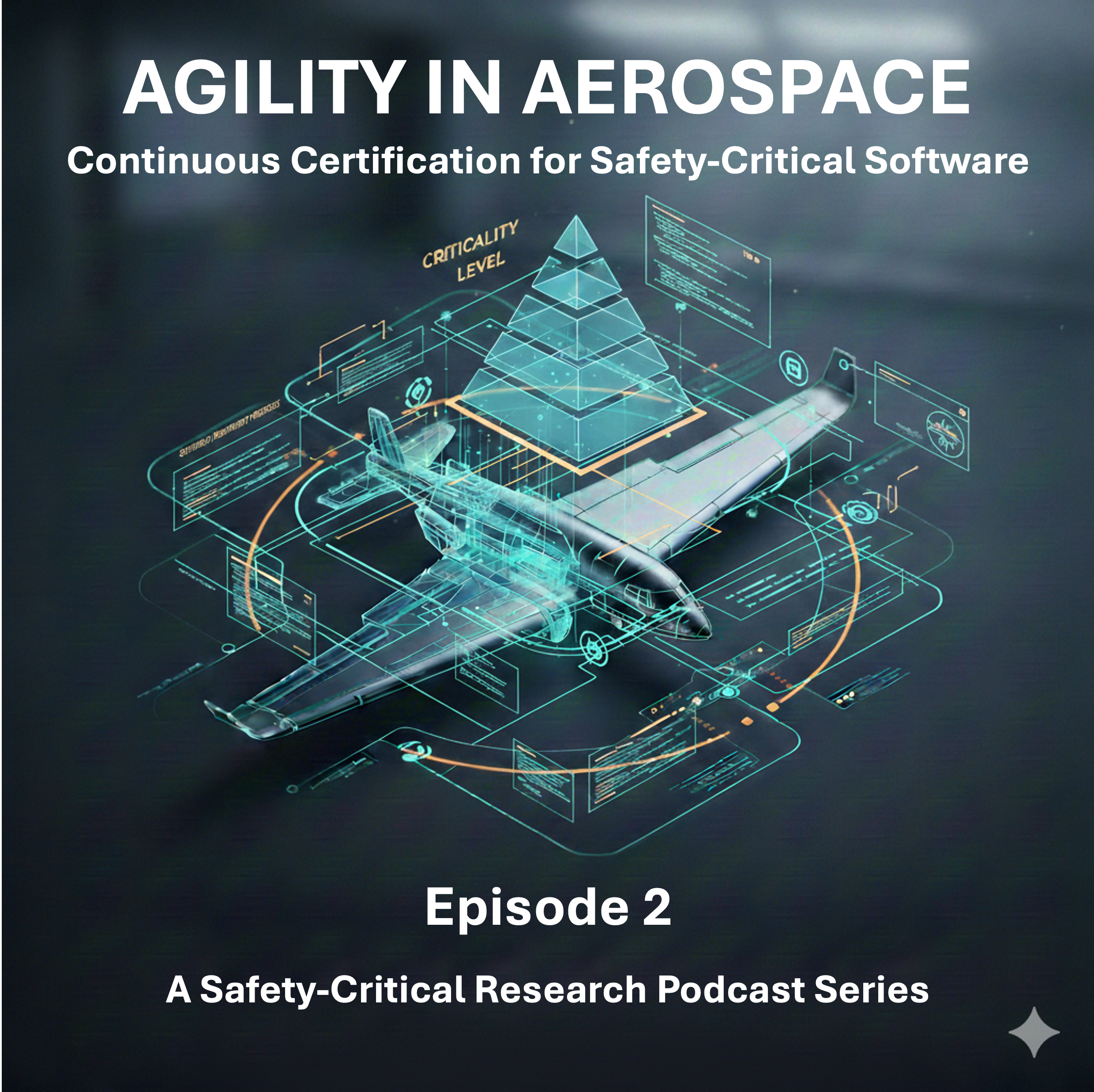
🎉 Celebrating 10 Years of Beyond Lean Agile! 🎉

Time has flown by, and I recently realized it has already been a decade since the Beyond Lean Agile blog was launched! What an incredible journey it has been.

Reflecting on the past ten years, I cannot help but feel grateful for the community we’ve built and the conversations we have sparked around Lean and Agile methods, Continuous Delivery, Automation, Open Source and InnerSource, and, most recently, AI. It is fascinating to see how the early articles’ writing, structure, and thought processes have evolved. Continuous improvement is not just a principle to advocate; it is a practice we live by!

Looking ahead, I’m excited to announce that we have already begun incorporating more scientific articles to enrich our discussions and insights while promoting collaboration and innovation within our scientific community and the broader industry.

I invite you to contribute with your ideas and share your thoughts. If you’re interested in writing an article, let’s collaborate and make this journey richer together!

Thank you to everyone who has supported us along the way. Here is to the next decade of learning, sharing, and growing together!

Thought of the Day: SpaceX’s Journey – Transforming Agile Claims into Real-World Success

🚀 4 years ago vs today! Let’s see what agility truly looks like in action. 💥

Lately, I’ve heard plenty of claims that “Agile is dead” or that it “failed.” 🙄 But maybe it’s time to rethink what agility can deliver when applied correctly—even in safety-critical fields.

Image from an unknown source.

If you think agility is past its prime, take a look at what SpaceX has achieved in just 4 years. 🛠️ It’s not that Agile is dead—it’s just that you might not be using it right. 😉

Unlocking Innovation with InnerSource: Why Organisations Should Embrace

Organisations increasingly turn to InnerSource to transform their software development processes and boost collaboration in today’s fast-paced, innovation-driven world. However, what exactly is InnerSource, and why is it gaining traction?

What Is InnerSource?

InnerSource refers to the practice of applying open-source software development principles within an organisation. It means creating an internal environment where teams across the company can contribute to software projects, regardless of their direct responsibilities or departmental affiliations. This model encourages collaboration, knowledge sharing, and dynamic problem-solving, much like public open-source communities, but internal.

InnerSource Value

The value of InnerSource lies in its ability to break down silos and foster a culture of transparency, creativity, and collaboration. Key benefits include:

  • Accelerated Innovation: Teams can tap into a broader talent pool within the organisation, driving faster development and more creative solutions.
  • Improved Code Quality: Cross-team contributions lead to more eyes on the code, which can uncover bugs and improve overall quality.
  • Talent Development: Developers gain exposure to a variety of projects, enhancing their skills and broadening their expertise.
  • Increased Agility: Teams and organisations can quickly adopt and iterate on internal solutions, reducing dependency on external vendors or slower traditional processes and increase delivered value.

My InnerSource Journey

My journey with InnerSource intensified this year (2024) during an international conference in Italy, where I had the pleasure of meeting some incredible and skilled professionals, including Clare Dillon and other thought leaders in the field.

Our discussions, idea exchange, and brainstorming sessions sparked exciting new perspectives and a strengthened understanding of InnerSource’s transformative potential. These conversations culminated in a research paper, which has been accepted for publication and paved the way for ongoing collaborations, further pushing the boundaries of innovation.

InnerSource Challenges

While InnerSource offers significant advantages, adopting it can pose challenges, particularly for organisations highly regulated and accustomed to traditional hierarchical structures:

  • Cultural Resistance: Teams that are used to working in isolation or maintaining proprietary control over their code may resist shifting to an open collaboration model.
  • Governance Issues: Without clear guidelines, InnerSource can lead to conflicting coding practices or duplicated efforts across teams.
  • Maintaining Consistency: Ensuring code standards and compatibility across contributions from various teams requires additional coordination.
  • Regulatory and Compliance Challenges: In highly regulated environments, such as safety-critical domains (e.g., healthcare, aerospace, and finance), ensuring compliance with industry standards and regulations can be complex. InnerSource must adhere to strict controls to prevent breaches of regulatory frameworks, which can add layers of governance and oversight.

Why and How Should We Adopt InnerSource?

To overcome these challenges and maximise the value of InnerSource, organisations should consider:

  • Leadership Buy-In: Organisational leaders must champion the value of InnerSource, promoting a culture of openness and trust.
  • Clear Governance: Establish well-defined contribution guidelines, code review processes, and ownership responsibilities.
  • Training and Onboarding: Ensure developers are well-equipped to participate in this new collaborative environment through training and regular engagement.
  • Supporting Tooling: Organisations should also invest in the right tools to support InnerSource initiatives. This includes platforms to track InnerSource projects, make them discoverable across the organisation, and facilitate contributions. Proper tooling is essential for managing contributions, ensuring code quality, and enabling easy collaboration across teams.

Looking Ahead to 2025

As organisations look for innovative ways to start the new year strong, InnerSource should be a key consideration. To further support this transition, I’m excited to share that a research paper on InnerSource, developed in collaboration with international researchers, will be presented at an international conference and published in Q1 2025. This research will provide deeper insights into the value, challenges, and best practices of InnerSource adoption. Stay tuned for more details soon!

Reflecting on AI and the Future of Work : Agile Thinking Matters

Lately, I’ve noticed a recurring theme in my conversations with friends, colleagues, and even organizations: the impact of AI on our jobs. It’s a question that keeps coming up: Should we be worried about AI taking over our jobs and careers?

Recently, during my experience at the XP 2024 Conference in Bolzano, where I presented one of my research papers (which, interestingly, wasn’t related to AI), I found myself in a very cool library-coworking space at Bolzano University. There, I came across two striking images that sparked thoughtful reflection.

The first image humorously depicts a robot teaching a younger robot about the original processor—a human brain. It made me think about how, just like the brain, AI is an incredible tool that can enhance our abilities rather than replace them.

The second image from the MIT Technology Review showcases a future where robots are integrated into our daily lives, helping us with everything from childcare to play. While AI may assist in many aspects of our lives, it’s essential to recognize that human interaction is critical for children’s growth in childcare. AI will take many years to approach the nuanced understanding and emotional support a human caregiver provides. Regarding play, I still remember my first archaic Tetris machine, a reminder that even before AI, machines have always played a role in our lives, often enhancing our play experiences rather than replacing the human touch.

One important point to note is that “AI” is a term that is often too vague. Perhaps we should start narrowing it down to facilitate discussions on how it can genuinely help us. Generative AI and Large Language models (LLMs) essentially identify patterns in language statistically without truly understanding the words they process, which, in some cases, is quite useful.

Additionally, the issue of accountability regarding these tools remains a significant concern. However, I won’t delve into that here, as it is a complex topic deserving of its own focused discussions in the future.

Here’s my take on it, I don’t believe AI is here to “steal” our jobs and careers. Like the Industrial Revolution before it, AI will undoubtedly bring changes. Some jobs may become obsolete, while new opportunities will emerge. Predicting exactly which jobs will be affected is tricky—I don’t have a crystal ball; if I did, I’d be playing the lottery!

I foresee AI enhancing our capabilities, allowing us and organizations to focus on tasks that require critical thinking, creativity, human interaction, craftsmanship, and more—areas where human touch and ingenuity are indispensable. AI isn’t just a replacement; it’s a knowledge multiplier, providing us with faster analyses, more information, and data to support innovative ideas and decisions.

However, it’s crucial not to blindly trust AI—at least not yet. We must review its outcomes to ensure accuracy and relevance. The future isn’t about humans versus machines; it’s about how we can collaborate effectively with AI to unlock new potential.

As we navigate this evolving landscape, embracing and maintaining Agile thinking is essential. We must keep cultivating a mindset of continuous inspection and adaptation to remain relevant in our fields. This approach will allow us to evolve alongside technological advancements, ensuring we leverage AI’s potential while staying true to our unique human skills and creativity.

Let’s embrace this journey with curiosity and readiness to adapt. Together, we can utilize AI’s potential to create a future where human creativity and technological advancement coexist.

Thought of the day: Who Ya Gonna Call? Unlocking Adaptability and Success in a Rapidly Changing World

Much has been debated about Agility, from the statement that “Agile is Dead” to discussions on the pivotal roles of Agile Coaches and their significant value.

In navigating this landscape, it’s crucial to distinguish between roles like “Facilitators,” “Personal Coaches,” “Agile Coaches,” and “Digital Transformation specialists,” as each plays a distinct part in organisational evolution.

Many organisations face challenges in embracing change, often due to past implementation issues/barriers and a reluctance to adopt new methods or refine existing ones. Yet, the potential benefits of these changes can be profound but are sometimes overlooked.

In moments of organisational challenge, who do you turn to for guidance? Consider this analogy:

“If there’s somethin’ strange in your neighbourhood (organisation),
Who ya gonna call? Ghostbusters
If it’s somethin’ weird an it won’t look good,
Who ya gonna call? Ghostbusters”

It’s essential to recall the Agile Manifesto and its core values and principles (https://lnkd.in/dTJHbd8g). Agility is a mindset that resonates with Darwin’s insight: “It is not the strongest of the species that survives, nor the most intelligent, but the one most responsive to change”.

In today’s rapidly evolving world, adaptability and customer focus are crucial. This underscores the need to challenge every facet of an organisation—from its direction and culture to its processes and tools. Organisations should be viewed not as static machines but as dynamic entities where improvements impact all aspects, highlighting the importance of impartiality and autonomy.

In essence, organisations require more than just facilitators—they need individuals with diverse industry knowledge and agile expertise. Optimisation, including automation, is critical, leveraging integrated tools to shift human effort towards analytical, creative, and intellectual pursuits rather than routine tasks. Moreover, measuring the impact of Agile changes through KPIs such as revenue growth, profit increase, and enhanced customer and employee satisfaction is vital.

Adaptability emerges as the cornerstone concept. Once organisations grasp its significance, they can seek the right tools to cultivate it. Whether an organisation needs adaptability in team dynamics, resource allocation, client engagement channels, or individual resilience and self-awareness, specialised professionals are available—Agile Coaches, Digital Transformation specialists, and Personal Coaches—each serving as essential tools in achieving business goals.

Ultimately, these roles are catalysts for building adaptability and flexibility within organisations, paving the way for sustained growth and success.

Note: Only the accompanying image was generated by DALL-E 😅

Thought of the day: “The journey of a thousand miles begins with one step.” – Lao Tzu.

It’s easy to feel overwhelmed by the scale and complexity of our daily challenges. Whether we are working on routine tasks, pursuing professional or personal goals, or tackling complex problems, the initial step is crucial.

We often become paralyzed by what can lie ahead, forgetting that meaningful progress starts with a single small action. Remember, the key is to start. No matter how daunting the task may seem, taking that first step sets the momentum in motion.

This principle also applies to any organizational change. Implementing change within an organization can seem overwhelming due to its complexity and potential resistance. However, initiating small, manageable actions can create a ripple effect that drives larger transformations. Each small step taken collectively by individuals contributes to the overall progress and success of the organization. We build the momentum needed to achieve significant and lasting change by starting with one step.

So today, let’s focus on making that first move towards our goals. Each subsequent step will bring us closer to success.

Thought of the day: Embrace Imperfection and Pursue Excellence

Recently, while reading Adam Grant’s enlightening book, “Hidden Potential,” I stumbled upon the term “wabi-sabi” (侘び寂び), which encapsulates the beauty found in imperfection, impermanence, and incompleteness.
 
Reflecting on this, I have realised the importance of setting challenging rather than perfect goals. In an Agility mindset, adapting and evolving based on constant feedback is crucial. By not striving for perfection, we open ourselves to rapid learning and growth, taking more risks and embracing imperfections.
 
In a fast-paced world of constant change, individuals and organisations must keep this mindset at the forefront. Instead of aiming for flawless solutions, let us focus on crafting workable ones with unwavering quality. Pursuing perfection can be a trap, hindering our progress by fostering a false sense of completion and stagnation.
 
Embracing imperfection fuels our journey toward excellence. Let’s remember that perfection is not the destination but a continuous learning and growth process.

Embracing the Yin-Yang of Quality and Agility

In today’s fast-paced and ever-changing business landscape, the terms “quality” and “agility” have become buzzwords that often evoke contrasting images in the minds of people, communities, and organizations. On the one hand, we have quality perceived as bureaucratic, bottlenecked, and complex. On the other hand, agility, often seen as anarchy, is lacking in planning and documentation. But are they as different as they seem, like the opposite poles of a magnet? Let’s explore what these concepts genuinely mean and why finding the right balance between them is vital for success.

Quality is often defined as “the degree to which a set of inherent characteristics fulfils requirements.” These requirements can be functional, quality, security, safety and regulatory requirements. In essence, it is the pursuit of excellence in delivering high-quality products or services that consistently meet or exceed customer expectations. However, some critics argue that the emphasis on stringent processes and regulations can lead to bureaucracy and slow down teams and organizations, hindering their ability to adapt to change and innovation.

On the other hand, agility is associated with being flexible, adaptive, and quick to respond to market demands. It is often seen as a departure from traditional, structured approaches, focusing more on collaboration, iterative development, and customer feedback. However, misconceptions arise when people associate agility with a lack of planning or discipline. This perception is a myth, as the Agile Manifesto highlights the significance of principles on the left side while also acknowledging the need to strike a balance of principles on the right side.

To elaborate, the Agile Manifesto places significant emphasis on the following principles:

Individuals and interactions are prioritized over processes and tools.

Working solutions are valued more than comprehensive documentation.

Customer collaboration takes precedence over contract negotiation.

Responding to change is given priority over following a rigid plan.

In reality, quality and agility share a common goal: customer satisfaction. While the methods and approaches may differ, their underlying objective remains aligned. The challenge lies in striking the right balance between what may be considered bureaucratic and anarchy – a Yin-Yang relationship that complements and enhances each other’s strengths.

Embracing the Yin-Yang of Quality and Agility allows organizations to:

  1. Harness the power of processes: Quality-driven processes provide structure and consistency, ensuring that products and services meet required standards. This systematic approach reduces the likelihood of errors and enhances overall reliability.
  2. Adapt to change: Agility allows organizations to respond swiftly to evolving market conditions, customer needs, and technological advancements. By embracing iterative development and customer feedback, businesses can stay ahead of the curve and outpace competitors.
  3. Encourage collaboration and innovation: The Agile mindset fosters a culture of collaboration, where teams work together to find innovative solutions and continuously improve processes. This approach promotes creativity and empowers employees to take ownership of their work.
  4. Enhance customer satisfaction: Combining quality and agility enables businesses to effectively deliver products and services that meet customer requirements and address their evolving needs and preferences.
  5. Optimize resources: Striking the right balance between quality and agility helps allocate resources efficiently. While quality ensures resources are used judiciously, agility enables adaptability to optimize resource allocation based on changing demands.

In conclusion, the perception that quality and agility are polar opposites is a fallacy. Both are essential in their own right and can coexist harmoniously. By embracing a Yin-Yang approach that acknowledges the importance of quality and agility, organizations can achieve a work mindset that is customer-focused, innovative, and adaptive. Finding the right balance ultimately empowers businesses to thrive in an ever-changing world, providing them with the edge needed to succeed in the long run.